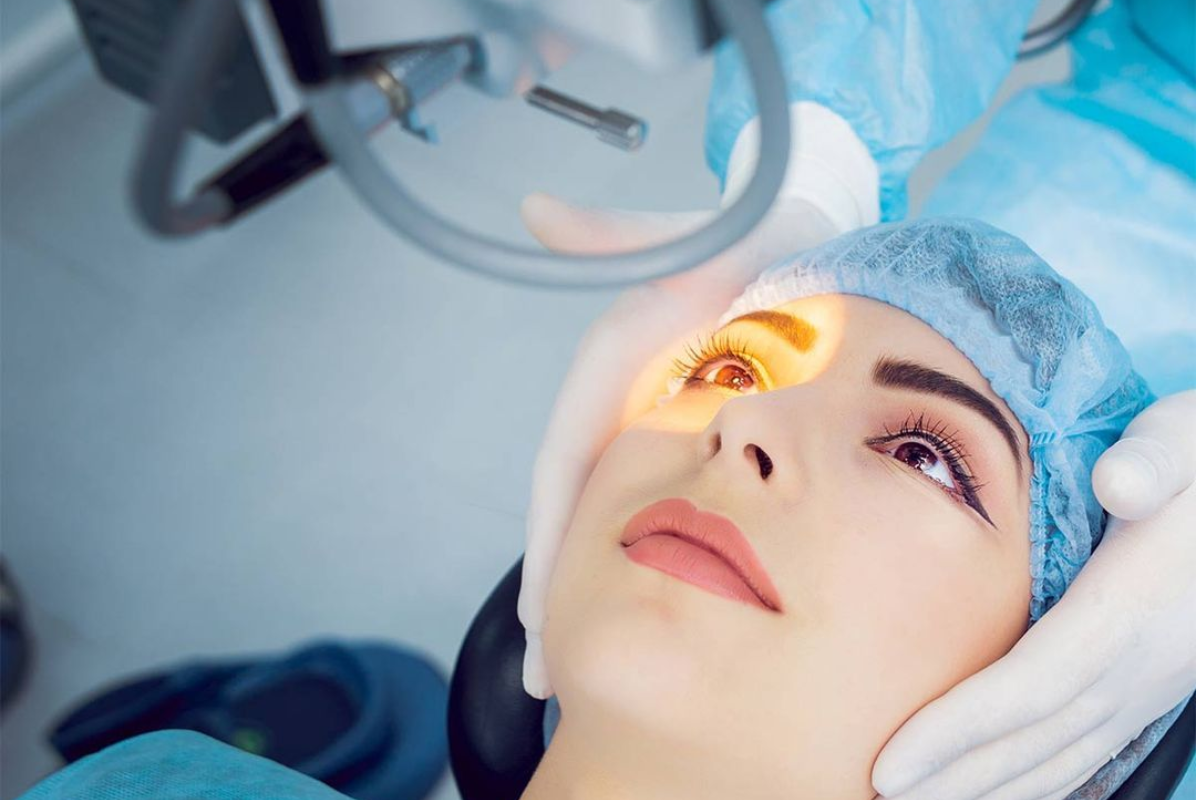
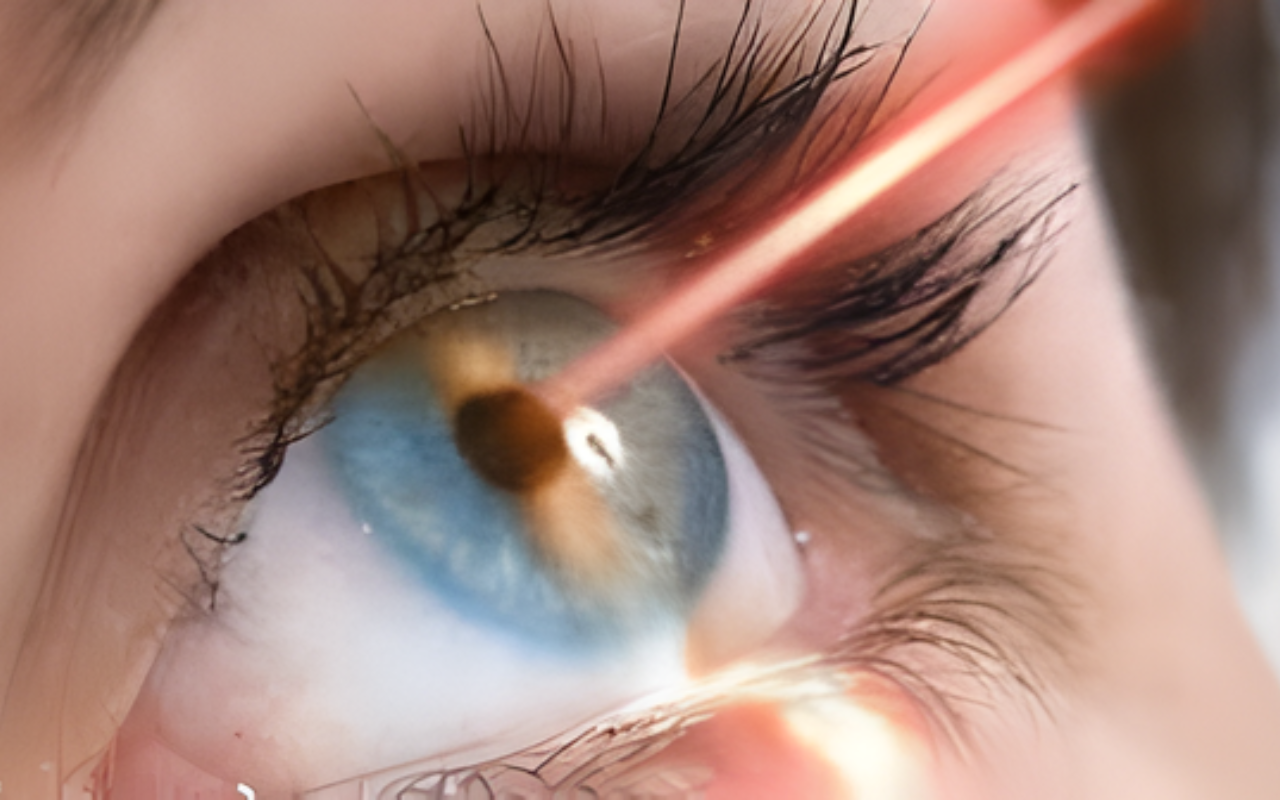
Advanced vision correction designed for clarity and comfort.
A cataract forms when lens proteins break down and clump. It creates cloudiness that blocks light from reaching the retina. Usually, the cataracts develop slowly. But it can sometimes progress faster due to underlying causes.
The lens loses transparency, causing vision to blur or dim as cloudiness increases in one or both eyes. Most cataracts are due to natural ageing. Sometimes, medical conditions and environmental factors can speed their development.
No swimming, hot tubs, or saunas for at least 2 weeks
No eye makeup for at least 1 week
Uneasy in a dusty or polluted environment
Uneasy in a dusty or polluted environment
Do’s After LASIK Surgery:
Use the antibiotic and lubricating drops as prescribed
Protective glasses or shields should be worn while sleeping
Avoid any kind of rubbing on the eye
Never skip the follow-up appointments
Maintain general hygiene while handling the eye area
Advance Cataract Procedure
Our expert doctors assess your eyes thoroughly and customize the Cataract treatment best suited to your vision needs and eye health.
01.
Early return to work
02.
Insurance covered
03.
High Success Rate
04.
Gate ride to blur vision
Cataract Journey with Withkure
Seamless experience from consultation to recovery
Connect with us. A dedicated Expert Assistant will guide you at every step
Schedule a consultation with an expert Care Doctor near you
Get Diagnosis & Treatment advice from our expert doctors
In some cases, a procedure or a surgery might be recommended
Choose one of our partner hospitals that meets your requirements
Complete care and assistance from Admission to Discharge
Receive Post-Operative support and Follow-up Consultations
Safety, Trust & Results
Numbers that speak for our commitment to excellence
4.9 Rating
50K+ Eye Consultations
10+ Years Experience
Verified Eye Surgeons
Lasik Treatment Options
Your Expert Care doctor will examine you and suggest the treatment that is right for you based on your complaints, physical examination, and the severity of your condition
LASIK
SMILE
CONTURA
PRK
Cataract Recovery Timeline
24 Hours
Significant vision improvement
3-7 days
Stable, clearer vision
1 month
Near-final visual outcome
1-2 months
Complete healing
Client Reviews
The doctor explained the procedure in detail, which made me feel confident. The surgery was quick and painless, and my vision improved within a few days. I’m very happy with the overall care and support.
Anjali Sharma
From the first consultation to post-surgery follow-ups, everything was handled professionally. The staff was supportive, and the doctor patiently answered all my questions. The results were better than expected.
Rohit Verma
I was worried about the cost and safety, but the team explained everything clearly. The hospital facilities were clean and well managed. My eyesight has improved significantly after surgery.
No, cataracts do not return once removed. However, some patients may experience posterior capsule opacity, which is easily treatable with a laser procedure.