



India’s Trusted Network for Cataract Treatment
Safe, precise Cataract surgery with transparent pricing and end-to-end support.
Cashless Insurance
0% EMI
NABH Hospitals
Book Free Appointment
Our clinic expert will call you within 15 mins.
Why Cataract with Withkure Healthcare

Expert surgeons

Cataract Technology

Personal Care Assistants

Post-Operative Care & Support

Advanced surgical procedures
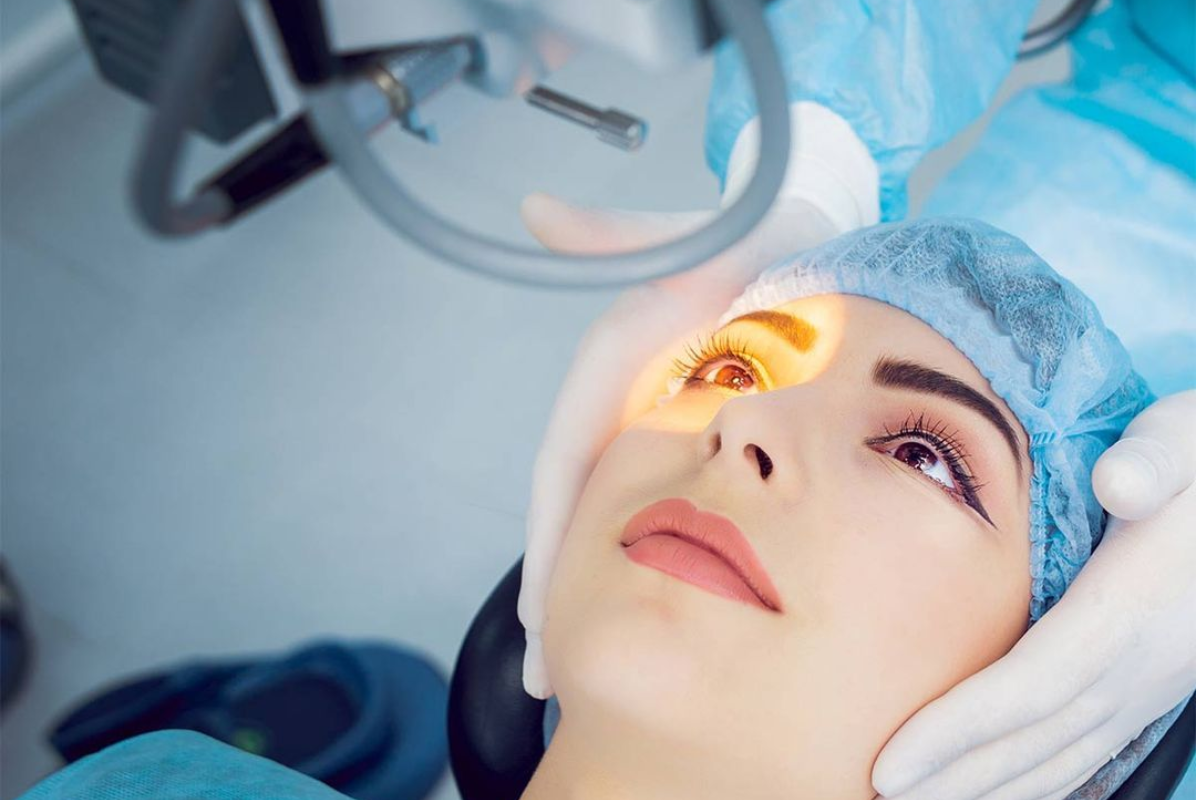
Advanced vision correction designed for clarity and comfort.
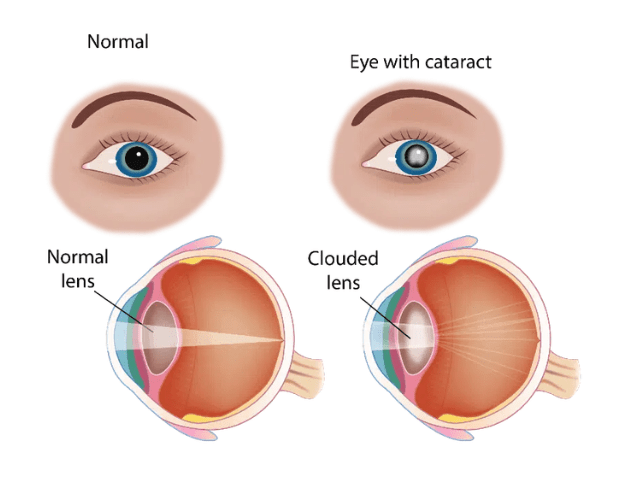
A cataract forms when lens proteins break down and clump. It creates cloudiness that blocks light from reaching the retina. Usually, the cataracts develop slowly. But it can sometimes progress faster due to underlying causes.
The lens loses transparency, causing vision to blur or dim as cloudiness increases in one or both eyes. Most cataracts are due to natural ageing. Sometimes, medical conditions and environmental factors can speed their development.
Common Types of Cataract
-
Nuclear cataract
It forms in the central zone of the lens. Nuclear cataract causes difficulty in seeing distant objects.
-
Cortical cataract
It develops around the edges of the lens. It forms spoke-like opacities that slowly spread toward the centre.
-
Posterior subcapsular cataract
It appears at the back of the lens near the capsule. It causes rapid vision loss. Sometimes it causes significant reading difficulties in bright light.
-
Congenital cataract
It is often present at birth or develops during childhood. Other causes include infections during pregnancy, metabolic disorders, etc.
-
Secondary cataract
It is caused by a disease or the effects of medications. It may also develop after other eye surgeries, diabetic complications, etc.
- Nuclear cataract: It forms in the central zone of the lens. Nuclear cataract causes difficulty in seeing distant objects.
- Cortical cataract: It develops around the edges of the lens. It forms spoke-like opacities that slowly spread toward the centre.
- Posterior subcapsular cataract: It appears at the back of the lens near the capsule. It causes rapid vision loss. Sometimes it causes significant reading difficulties in bright light.
- Congenital cataract: It is often present at birth or develops during childhood. Other causes include infections during pregnancy, metabolic disorders, etc.
- Secondary cataract: It is caused by a disease or the effects of medications. It may also develop after other eye surgeries, diabetic complications, etc.
After Cataract Surgery: Care Guidelines
Don’ts After Laser Surgery:
- No swimming, hot tubs, or saunas for at least 2 weeks
- No eye makeup for at least 1 week
- Uneasy in a dusty or polluted environment
Do’s After Laser Surgery:
- Use the antibiotic and lubricating drops as prescribed
- Protective glasses or shields should be worn while sleeping
- Avoid any kind of rubbing on the eye
- Never skip the follow-up appointments
- Maintain general hygiene while handling the eye area
Advance Cataract Procedure
Our expert doctors assess your eyes thoroughly and customize the Cataract treatment best suited to your vision needs and eye health.
Early return to work
Insurance covered
High Success Rate
Gate ride to blur vision
Cataract Journey with Withkure
Seamless experience from consultation to recovery
Connect with us. A dedicated Expert Assistant will guide you at every step
Schedule a consultation with an expert Care Doctor near you
Get Diagnosis & Treatment advice from our expert doctors
In some cases, a procedure or a surgery might be recommended
Choose one of our partner hospitals that meets your requirements
Complete care and assistance from Admission to Discharge
Receive Post-Operative support and Follow-up Consultations

Safety, Trust & Results
Numbers that speak for our commitment to excellence

4.9 Rating

50K+ Eye Consultations

10+ Years Experience

Verified Eye Surgeons

Laser Treatment Options
Your Expert Care doctor will examine you and suggest the treatment that is right for you based on your complaints, physical examination, and the severity of your condition

LASIK

SMILE

CONTURA

PRK
Cataract Recovery Timeline
Client Reviews
The doctor explained the procedure in detail, which made me feel confident. The surgery was quick and painless, and my vision improved within a few days. I’m very happy with the overall care and support.
Frequently Asked Questions (FAQ)
Blurry or foggy vision
Difficulty seeing at night
Sensitivity to light
Faded or yellowish colors
Frequent change in glasses number
Cataracts usually develop due to aging, but they can also be caused by diabetes, eye injury, long-term steroid use, or excessive exposure to sunlight.
In early stages, stronger glasses or better lighting may help. However, surgery is the only permanent treatment for cataracts.
Yes, cataract surgery is one of the safest and most commonly performed eye surgeries, with a high success rate.
The procedure usually takes 15–30 minutes, and patients can go home the same day.
No, the surgery is performed under local anesthesia and is painless. Mild discomfort after surgery is normal and temporary.
Most patients notice improved vision within 2–3 days, with full recovery in a few weeks.
No, cataracts do not return once removed. However, some patients may experience posterior capsule opacity, which is easily treatable with a laser procedure.
If you experience blurry vision, glare, or difficulty in daily activities like reading or driving, you should consult an eye specialist.
Yes, cataracts can affect both eyes, but they may not develop at the same time or progress at the same speed.