India’s Trusted Network for Aesthetics Treatment
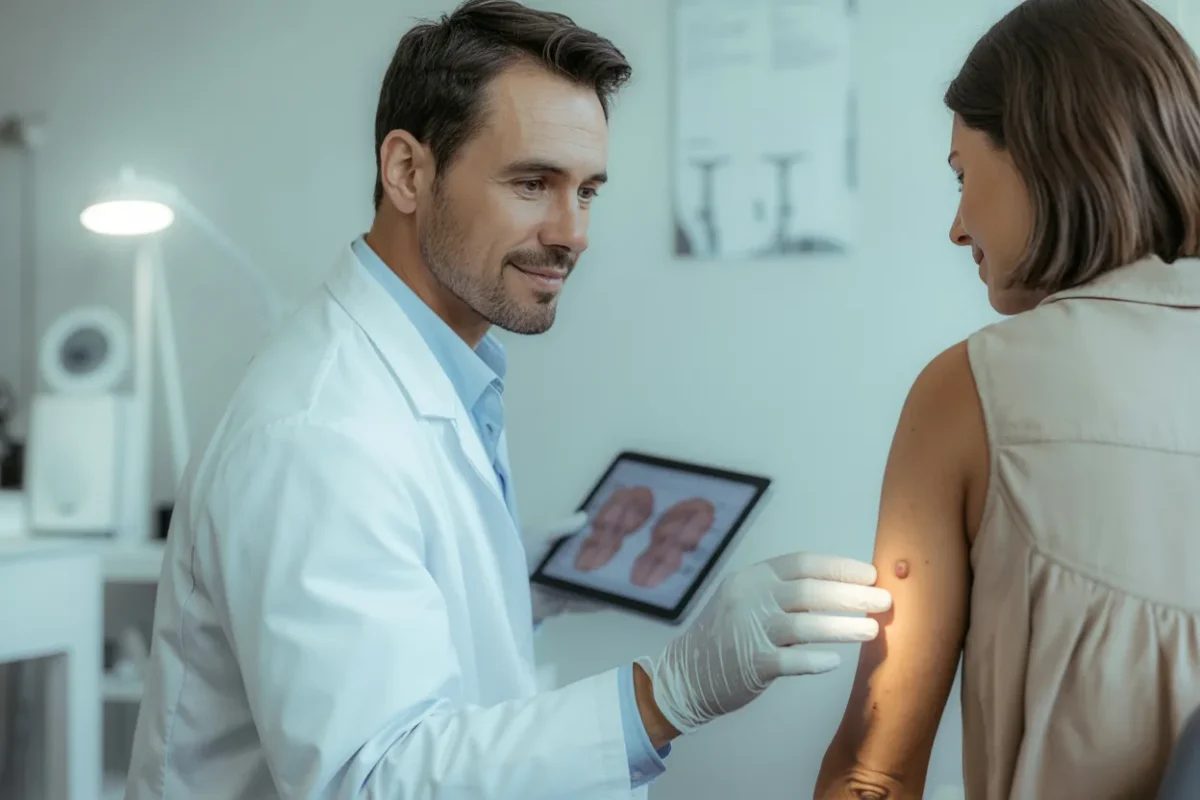
Aesthetic treatments enhance your natural beauty with advanced, non-surgical procedures that improve skin tone, texture, and overall appearance, giving you a youthful and refreshed look.
Cashless Insurance
0% EMI
NABH Hospitals
Book Free Appointment
Our clinic expert will call you within 15 mins.
Treatment services withkure healthcare offer

Gynecomastia

Liposuction

Lipoma Surgery

Tummy Tuck

Breast Lump

Scar Removal
About Gynecomastia treatment:
-
Disease name
Enlarged Male Breasts (Man boobs)
-
Surgery name
Gynecomastia (Male Breast Reduction Surgery)
-
Duration
1 - 2 Hours
-
Treated
Plastic surgeon
Gynecomastia Surgery (Male Breast Reduction): Types and Treatment
Get safe and advanced gynecomastia surgery at withkure healthcare Our expert cosmetic surgeons offer advanced procedures like chest fat removal and male breast reduction surgery to help men achieve a flatter, more defined chest. Book a Discounted consultation today.
What is Gynecomastia?
Gynecomastia is commonly referred to as male breast enlargement. It can be treated effectively on the basis of the underlying cause and severity of the condition. A withkure healthcare , our approach focuses on patient comfort, clinical accuracy, and lasting results.
Why Choose Aesthetics Treatment

Expert Aesthetics Surgeons

Advanced Aesthetics Technology

Personal Care Assistants

Post-Operative Care & Rehabilitation

Advanced Surgical Procedures
How Gynecomastia Surgery
is Performed?
Self-Diagnosis of Gynecomastia:
1 Notice any unusual enlargement or swelling around your nipples.
2 Feel for a firm, round lump or button-like tissue beneath the nipple area—this is usually glandular tissue.
3 Check if the lump feels harder and more defined than regular chest fat.
4 Observe if the breast area looks swollen but still maintains a distinct shape.
5 Look out for any nipple discharge, which can sometimes occur with glandular tissue growth.
6 Check whether the swelling is on one side only (unilateral gynecomastia) or both sides.
Self-Diagnosis of Gynecomastia
- Notice unusual swelling around the nipples.
- Feel for a firm, round lump beneath the nipple.
- Check if the lump feels harder than regular chest fat.
- Observe visible swelling with defined shape.
- Look for rare nipple discharge.
- Check if swelling is one-sided or both sides.
Different Grades of Gynecomastia
Grade I
Mild enlargement with a small button-like tissue under the areola.
Chest appears slightly swollen.
Grade II
Moderate tissue growth spreading across the chest.
Muscle definition reduces but skin excess is minimal.
Lifestyle changes or surgery may be advised.
Grade III
Noticeable enlargement visible through clothing.
Excess skin becomes prominent and tissue feels firm.
Surgical correction is commonly chosen.
Grade IV
Severe enlargement with significant excess skin.
This is the most advanced stage and usually requires surgical removal
for proper chest contour restoration.
Diagnosis by Doctor
A qualified plastic or cosmetic surgeon performs a physical examination
to assess glandular tissue and overall chest condition.
- Checks size, shape, and firmness
- Performs pinch test for glandular tissue
- Examines lymph nodes in armpits
- Recommends further evaluation if required
Recommended Tests
- Blood Tests: Evaluate testosterone and estrogen levels.
- Urine Tests: Assess hormone imbalance.
- Imaging Tests: Ultrasound, CT, or MRI (if required).
- Mammogram: To rule out rare male breast cancer.
- Biopsy: Done only if abnormal tissue is suspected.
Note: Imaging tests are recommended only when medically necessary.
Benefits of Gynecomastia Surgery
- Improved chest contour
- Enhanced self-confidence
- Better posture
- Pain-free physical activity
- Long-lasting results
- Minimal scarring
- Quick recovery
- Better clothing fit
- Emotional relief
Post-Procedure Care After Surgery
Compression Garment
Wear for a few weeks to reduce swelling and support healing.
Pain Management
Mild discomfort is normal and managed with prescribed medication.
Wound Care
Keep the area clean and dry to prevent infection.
Activity Restrictions
Avoid heavy lifting and upper-body workouts for 4 weeks.
Follow-Up Visits
Regular visits ensure proper healing and optimal results.
How Lipoma Treatment
is Performed?
At Withkure healthcare , we provide safe and effective lipoma treatment through traditional and modern, minimally invasive techniques. Book a consultation with our expert plastic and cosmetic surgeons to seek proper treatment and undergo lipoma surgery if necessary.
What is Lipoma?
Lipomas are benign (non-cancerous) tumors that are made up of fat cells. These fatty lumps are located just below the skin and are usually soft, movable, and minimal pain. A lipoma can occur anywhere on the body where fat cells are present, but they are most commonly found on the neck, shoulders, back, arms, and thighs.
Lipoma: Causes, Diagnosis & Treatment
Lipomas are soft, slow-growing fatty lumps that develop under the skin. The exact cause is unknown, but they often have a genetic link and may occur more frequently in individuals with a family history. Certain medical conditions like adiposis dolorosa and Gardner’s syndrome may also be associated.
They are usually painless and movable when touched, and most lipomas are harmless.
In many cases, they grow slowly over time and may appear on the neck, shoulders, back, arms, or thighs.
Although generally benign, medical evaluation is recommended if the lump grows rapidly, becomes painful, or changes in appearance.
- Disease Name: Lipoma
- Surgery Name: Liposuction / Lipoma Excision
- Duration: 1 – 2 Hours
- Treated By: Plastic Surgeon or Dermatologic Surgeon
Lipoma Diagnosis & Tests
Lipomas are usually diagnosed through physical examination and medical history.
However, in cases where the lump resembles other conditions like cysts or liposarcoma, additional tests may be required.
Imaging Tests
Ultrasound, MRI, or CT scans help determine the size, depth, and consistency of the lipoma
and evaluate surrounding tissues.
Biopsy
If malignancy is suspected, a tissue sample is examined under a microscope
to differentiate between a benign lipoma and liposarcoma.
Lipoma Treatment Options
Observation
Small, painless lipomas may not require treatment and can be monitored over time.
Steroid Injections
May reduce size and inflammation but are less effective than surgery.
Liposuction
A minimally invasive procedure using a cannula to suction out fatty tissue.
Best for smaller lipomas.
Surgical Excision
The most effective method. The lipoma is removed completely through a small incision and sutured.
Types of Lipoma Surgery
- Conventional Excision: Standard incision and complete removal.
- Minimal Excision: Smaller incision with minimal scarring.
- Endoscopic Excision: Camera-guided minimally invasive removal.
- Liposuction-Assisted Removal: Fat suction combined with excision if needed.
Benefits of Lipoma Removal Surgery
- Relief from pain and discomfort
- Improved cosmetic appearance
- Prevention of nerve compression
- Reduced infection risk
- Peace of mind after tumor evaluation
Lipoma Surgery Risks & Complications
- Infection
- Bleeding
- Hematoma (blood accumulation)
- Seroma (fluid buildup)
- Scarring
- Nerve or tissue damage
- Anesthesia-related risks
- Recurrence
Lifestyle After Lipoma Removal
- Balanced Diet: Maintain healthy body weight.
- Regular Exercise: Promote circulation and overall wellness.
- Hydration: Support tissue healing.
- Skin Care: Protect surgical site from sun exposure.
- Self-Examination: Monitor for new lumps.
- Regular Check-ups: Ensure proper recovery.
Lipoma Treatment Without Surgery
There is no clinically proven medicine, cream, spray, or tablet that permanently removes lipomas.
Ayurvedic and homeopathic remedies are sometimes used, but scientific evidence supporting their effectiveness is limited.
Common Non-Surgical Products (Not Clinically Proven)
- Lipoma removal creams
- Herbal sprays
- Ayurvedic formulations like Triphala
- Homeopathic remedies such as Calcarea Carb, Thuja, Phytolacca
Note: Always consult a qualified doctor before using non-approved creams, sprays, or herbal medicines.
Lipoma Prevention & Self-Care Tips
- Maintain a healthy weight
- Stay physically active
- Manage stress effectively
- Follow routine health check-ups
Since lipomas are often genetic, complete prevention may not be possible.
However, maintaining a healthy lifestyle can reduce certain risk factors.

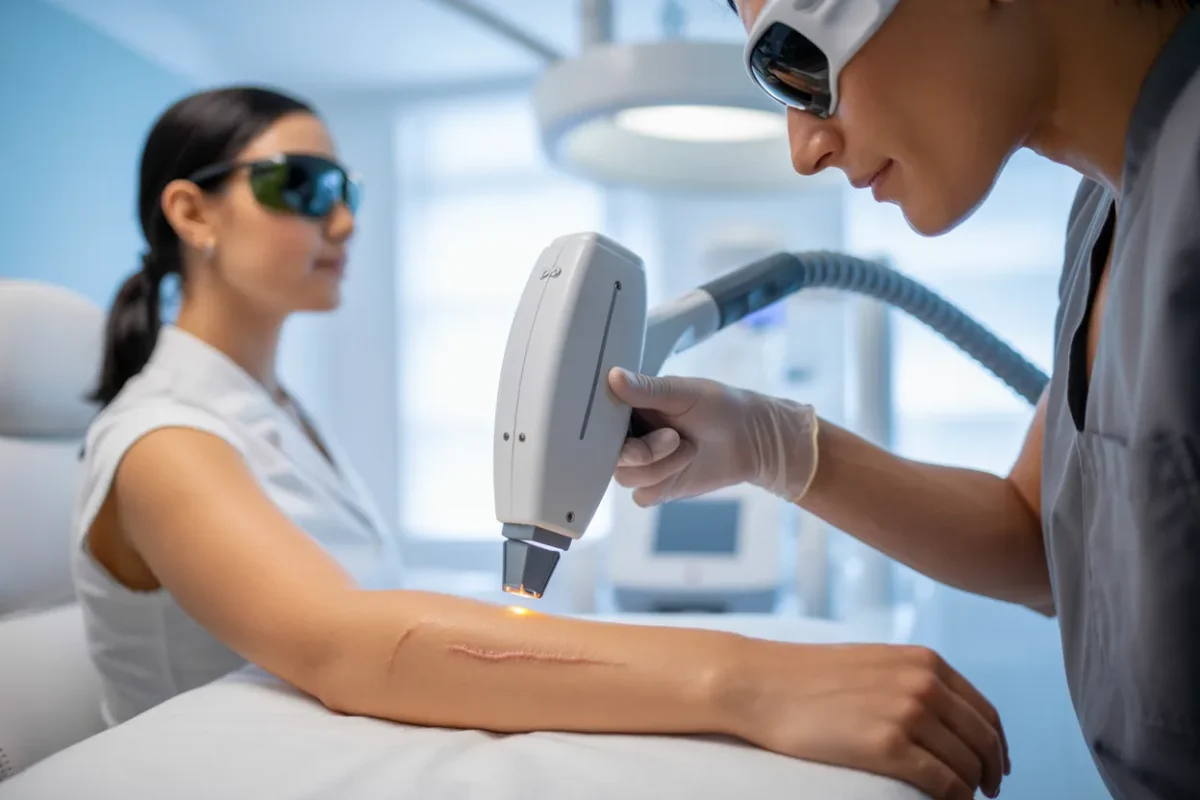
How Laser Scar Removal treatment
is Performed?
Laser Scar Removal, also known as scar revision, is a medical procedure that improves the appearance of scars, making them less noticeable. The different types of Laser Scar Removal include surgical excision, skin graft, skin flap, and W-plasty. Whether you have keloid scars, hypertrophic scars, contracture scars, or acne scars, our expert plastic surgeons at Pristyn Care can help you with the most suitable treatment. Book an appointment to consult with the best plastic surgeon at WITHKURE HEALTHCARE for Laser Scar Removal.
What Is Laser Scar Removal?
Laser scar removal, also known as scar revision surgery, is a specialized medical procedure focused on improving the appearance of scars. The goal is to reduce scar visibility and help it blend naturally with surrounding skin tone and texture.
The procedure is typically performed by an experienced plastic surgeon with expertise in scar revision techniques. If a scar causes physical discomfort or affects your confidence, your doctor may recommend this treatment.
Most procedures are outpatient-based, meaning you can return home the same day. Modern techniques are designed to minimize damage to surrounding healthy tissue and ensure optimal cosmetic results.
Keloid scars, hypertrophic scars, contracture scars, and acne scars can all be treated depending on your health condition and scar severity. Each treatment plan is customized to meet individual aesthetic and functional goals.
Who Is the Right Candidate for Laser Scar Removal?
You may be a suitable candidate if:
- Appearance Concern: The scar is prominent and affects your self-esteem.
- Functional Limitation: The scar restricts movement or causes discomfort.
- Previous Treatment Failure: Non-surgical treatments have not improved the scar.
- Personal Preference: You want to improve the scar’s appearance for cosmetic reasons.
Benefits of Laser Scar Removal
- Improved Appearance: Makes scars less noticeable and enhances skin aesthetics.
- Better Function: Improves mobility in cases where scars restrict movement.
- Boosted Confidence: Helps restore self-esteem, especially for visible scars.
- Customized Treatment: Tailored approach based on scar type, severity, and patient goals.
FAQs About Laser Scar Removal
1. Can all types of scars be treated?
Many types of scars can be treated effectively. However, keloid and hypertrophic scars may be more challenging due to their tendency to recur even after removal.
2. How long is the healing process?
Healing time varies depending on scar size and complexity. Initial healing may take several weeks, while complete scar maturation and fading can continue for up to a year.
3. How effective is the procedure?
While scars cannot be removed completely, laser scar removal significantly reduces visibility and improves texture and flexibility when performed by an experienced surgeon.
Ent Journey with Withkure
Seamless experience from consultation to recovery
A dedicated care assistant will guide you at every step, from the first inquiry to recovery support.
Book an appointment with an experienced Aesthetics specialist near you for proper evaluation.
Consult expert Aesthetics doctors for detailed diagnosis and a personalized treatment.
Get assistance in booking your appointment at a trusted hospital or clinic with complete support.
A dedicated expert helps you with reports, admission, procedures, and post-treatment.
Advanced Aesthetics Procedure
Precision-driven treatments for refined beauty, youthful skin, and naturally confident results.
Faster Recovery & Mobility
Insurance Covered
High Success Rate
Relief from Pain & Stiffness
Client Reviews
I had an amazing experience! The treatment was smooth, painless, and the results look completely natural. My skin feels brighter and more youthful than ever.
Yes, when performed by trained and experienced professionals using approved technologies, aesthetic procedures are generally safe and effective.
Most advanced aesthetic treatments are minimally invasive and require little to no downtime, allowing you to resume daily activities quickly.
Results vary depending on the treatment and individual skin type, but many procedures offer long-lasting improvements with proper maintenance.
Most procedures involve minimal discomfort. Numbing creams or advanced techniques are often used to ensure a comfortable experience.
The number of sessions depends on your specific concern and desired results. A consultation helps determine the best treatment plan for you.